
.png)
This article originally appeared in the February issue of NCGA Golf Magazine
By Willie Toney and Dave Seanor
Tournament play is uncharted territory for most recreational golfers. The stakes are higher and all strokes count. No breakfast balls. No gimmes. No rolling it in the fairway. Typically, it’s five hours of unrelenting anxiety.
How you deal with adversity usually determines how well you score. For starters, it’s important to remember that everyone in the field will probably three-putt, hit into a water hazard, leave a shot in a bunker, chili-dip a chip, or blade a pitch shot across the green – just like you. The only certainty in golf is that each of us is destined to lose more than we win. Even the best golfer in history, Tiger Woods, has lost more than he’s won (82 victories in 378 starts).
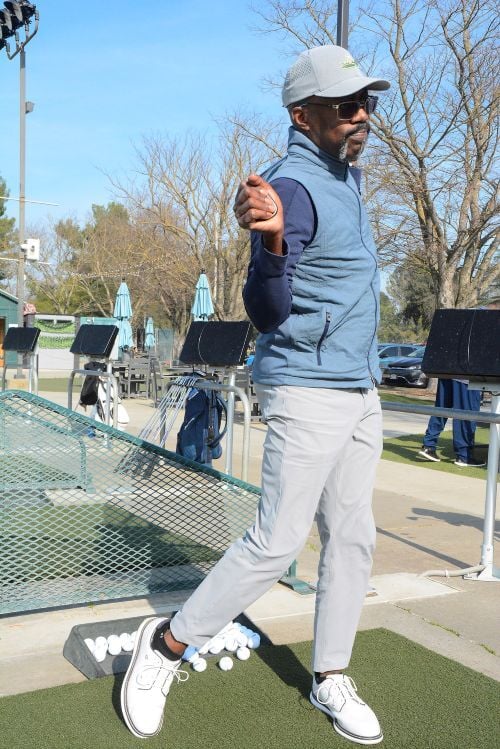
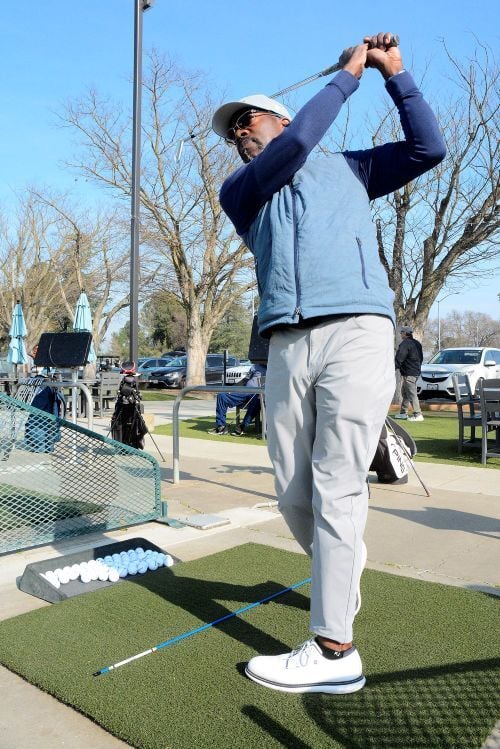
Here are some tips – useful for players of all skill levels – to ease the foreboding when you step onto the first tee:
• Set your ego aside when you sign up for the event. Be honest with yourself. Are you good enough to compete in the open gross division, or should you enter the net division? If you’re in your early 50s, take advantage of being among the younger contestants in the senior division. If you qualify as a super senior (typically 65 or older), proudly claim that distinction and use the forward tees. Similarly, if you’re a junior, play in your age group; don’t leapfrog to an older kids’ division. Remember, the GHIN handicapping system was created to level the playing field for golfers of every skill level.
• If possible, play the tournament course – even if it’s your home track – once or twice in the weeks leading up to your event, with the goal of creating a gameplan. Practice rounds are essential to prevent being blindsided. Go through your pre-shot routine on every drive, approach shot, pitch, chip and putt. Take notes; buy a yardage book if available. What holes offer the best chances of making par? On what holes is bogey not such a bad score? Where are the optimal landing areas for layup shots? What are the distances to multiple-tiered greens? What putting surfaces slant to one side, or back-to-front or front-to-back? Hit practice shots from collection areas to different quadrants of the green. (Make sure you go through your pre-shot routine on every attempt.) Reviewing your written game plan serves as a hole-by-hole reminder of architectural quirks, sucker pins and hidden hazards. Just as important, turning the page on your game plan prompts you to forget about the previous hole and turn your attention to the next.
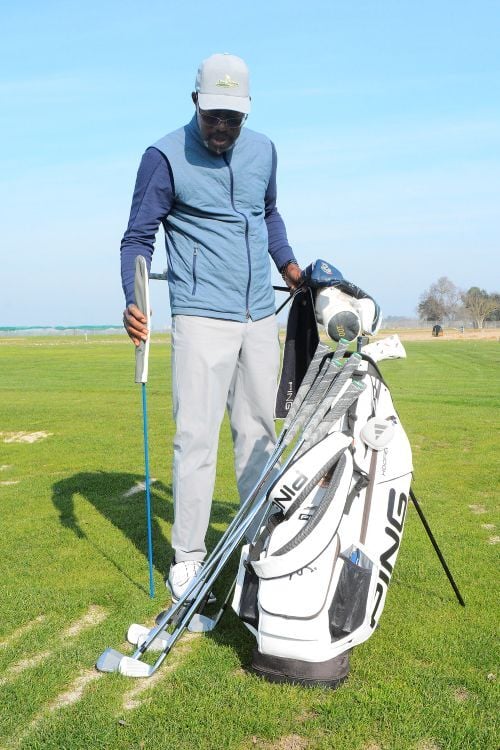
On the eve of Round 1, or before you leave home in the morning, conduct an equipment check:
• Clubs – verify there are 14.
• Balls – bring at least nine balls, each marked with a personal identifier.
• Rangefinder – make sure it’s working; pack an extra battery just in case.
• Attire – dress appropriately for expected conditions.
• Extra gloves.
• Tees.
• Band-aides, sports tape.
• UV protection – sunscreen, cap, arm sleeves, umbrella.
• Hydration and fuel – bring water or an energy drink, plus a banana, apple, protein bar or PB&J sandwich.
• On game day, eat a midsize, nutritious breakfast. Arrive at the tournament venue two hours before your tee time, if possible, and put your cell phone on silent mode. Do 10-15 minutes of golf-specific stretches, then head to the practice range begin hitting balls – with purpose. Replicate shots you’re likely to encounter on course. If No. 1 is a par 4, hit a driver, followed by whatever club you typically use for your second shot. If No. 2 is a par 5, hit driver, fairway wood or hybrid, then a lengthy pitch shot. Continue to replicate shots through the remaining 16 holes, or however many time allows. Make sure to pick a specific target for every shot and go through your pre-shot routine exactly as you would on the course. Don’t obsess over ball flight; instead focus on making solid contact – quality over quantity.
• Bring only one ball to the practice green. Putt to different holes from a variety of distances. The goal is to one- or two-putt every hole. Read each putt (even 2-footers) as you would on the course and go through your pre-putt routine on every attempt. No gimmes.
• Visit the restroom (Don’t laugh; this is important!) before your starting time.
Sure, some of these tips are self-evident, simple common sense, or rudimentary. That’s the point. Arrive early, concentrate on following your game plan, and you’ll begin each round confident and relaxed. If something does go haywire along the way, you’ll be better prepared to cope with adversity.
Meanwhile, never deviate from your pre-shot routine. When in doubt, always hit the extra club.

Bio:
Willie Toney, 60, is the Director of Golf at Bing Maloney Golf Course in Sacramento, coming full circle in 2023 after learning the game there as a youngster. Toney played college golf at Prairie View A&M, winning the Southwestern Athletic Conference individual championship in 1985. He competed on mini-tours in California, Nevada and Arizona for five years before becoming a club professional, earning PGA Class A status in 2001. His club pro journey includes Metropolitan Golf Links (Oakland), where he was Director of Golf before joining the staff at The Olympic Club. Toney honed his craft there for 16 years before moving to Bing Maloney, which is part of Morton Golf’s Haggin Oaks complex.
Dave Seanor is a freelance writer and frequent contributor to NCGA Magazine.