
Clean Living
by Gavin Owen, Senior Manager of Golf Operations
Your ball has ended up in the bunker, or so you believe, and you are digging around in the face of the bunker and finally unearth it from the sand. Well, at least you didn’t lose it, but you are going to have to replace that ball where it was and bury it. But can you clean it first?
We ask this question repeatedly during our on-course rules seminars to drive home the point that there are only 4 times in the Rules of Golf when you can NOT clean your ball when you have that thing in your hand (Rule 14.1c).
Whether you are taking relief with or without a penalty, replacing the ball because it accidentally moved somewhere it wasn’t supposed to, or even playing again from the teeing area after barely knocking your ball off the tee; yes, you can clean it.
A ball lifted from anywhere may always be cleaned…
Except:
Number 1 – To See If It Is Cut or Cracked
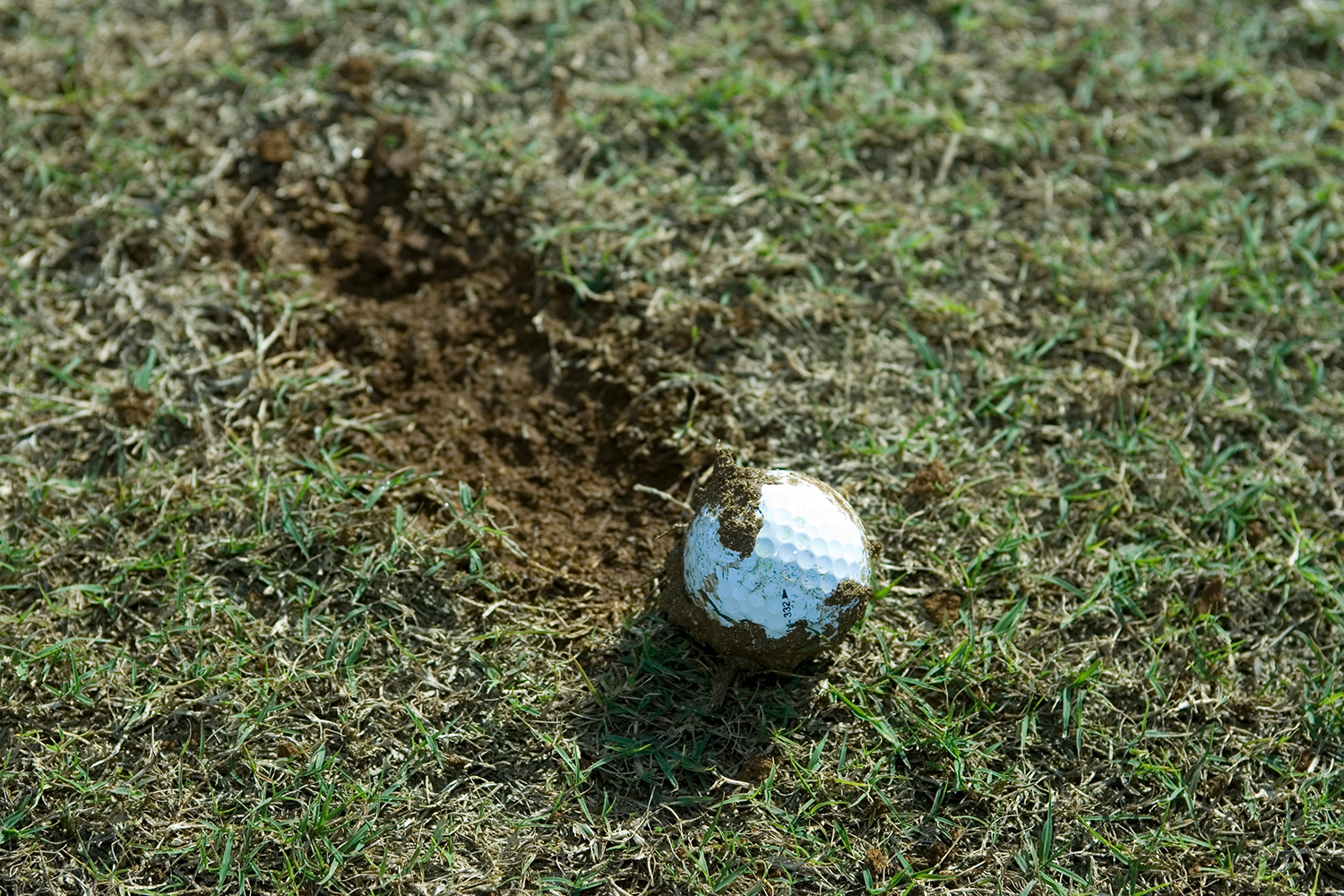
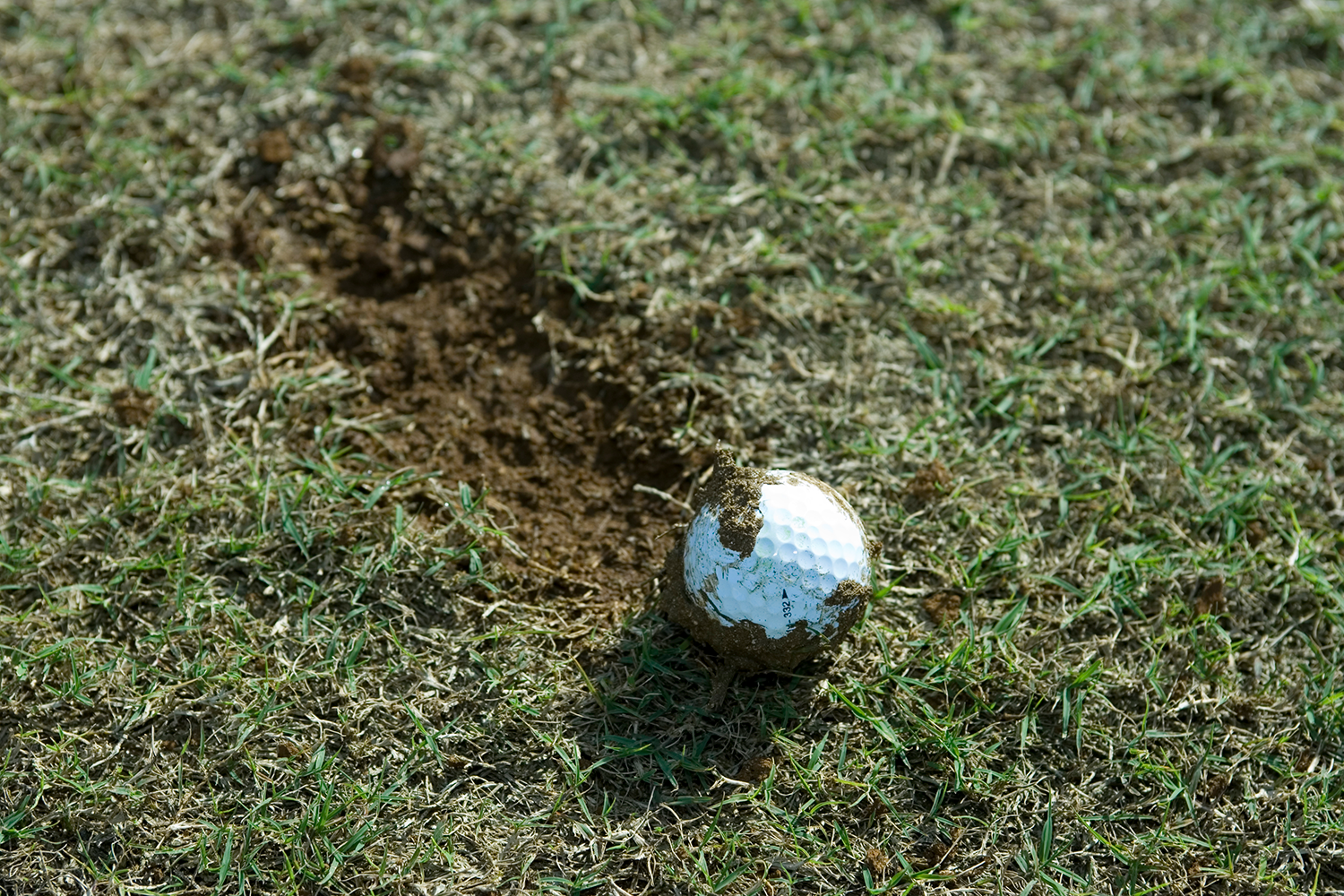
You hit your ball square into a Eucalyptus and it bounds off a few cart paths, then rocks, and comes to rest in a bad lie with mud covering half the ball. There is no scuff or cut on the side you can see but you’re pretty sure this ball is significantly damaged. Well, you can mark and pick it up, and rotate it a bit, but you won’t be allowed to clean any portion to check if there is a cut or crack because, what is the penalty for playing this ball if it is cut or cracked? There is no penalty. You will just need to replace it and play on.
Number 2 – To Identify It
All of Number 1 applies here, with the exception that you will be allowed to carefully remove a little bit of dirt or debris only as needed to identify that ball as your own (Rule 7.3), and this extra bit is allowed because, if you do not identify it, and it turns out to be a wrong ball, the penalty would be more severe.
Number 3 – Because It Interferes with Play
Your playing competitor asks you to mark your ball in the bunker because it interferes with their next shot, and all that sticky, wet sand that ended up on your ball when it rolled through the bunker to this spot needs to remain there, so you may want to think twice before putting it in your pocket.
Number 4 – To See If It Lies in Condition Where Relief Is Allowed
The most common instance would probably be when a player believes their ball may be embedded in the general area and then marks and lifts the ball to see if this is the case. Well, if it is determined that no relief is granted, a clean golf ball is also denied.
Remember, additionally, a ball lifted from the putting green may always be cleaned (13.1b).
Now to comply with those four instances above, you don’t have to hold the ball perfectly still, up in the air, without rotating or shaking it just to make sure it stays clean. You could even set it down, on a towel, over to the side before it is time to replace the ball. But you may want to resist the urge to roll the ball through the morning dew kissed grass toward your bag while you are waiting.
If you do clean the ball when you’re not allowed it’s going to be a one stroke penalty.
So now, head back to the opening scenario and answer our favorite question with conviction: Can I Clean It?